


Factur-X, UBL or CII: Which Format Should You Choose for Your E-Invoices?

Compare Factur-X, UBL and CII for France e-invoicing. Choose the right format for your ERP, review process and trading partners.

Compare Factur-X, UBL and CII for France e-invoicing. Choose the right format for your ERP, review process and trading partners.

Learn how e-invoicing changes daily work for AP and AR teams, and how accounts payable automation turns compliance into faster finance operations.

Poland’s Ministry of Finance has announced plans to defer penalties for KSeF errors until 31 December 2027, a year later than previously planned.

Spain is preparing the Ministerial Order that will set the technical rules for the Public Electronic Invoicing Solution (SPFE), with a proposed entry into force of 1 October 2026.

The Slovak government has submitted a VAT Act amendment (Parliamentary Print 1454) that changes the upcoming e-invoicing and digital reporting rules.

KoSIT publishes the XRechnung 4.0 pre-release, aligned with EN 16931-1:2026. Discover key changes and the expected 2027 final release.

Bulgaria proposes mandatory e-invoicing and real-time VAT reporting from 2028. Learn about EN 16931, compliance codes and the public consultation.
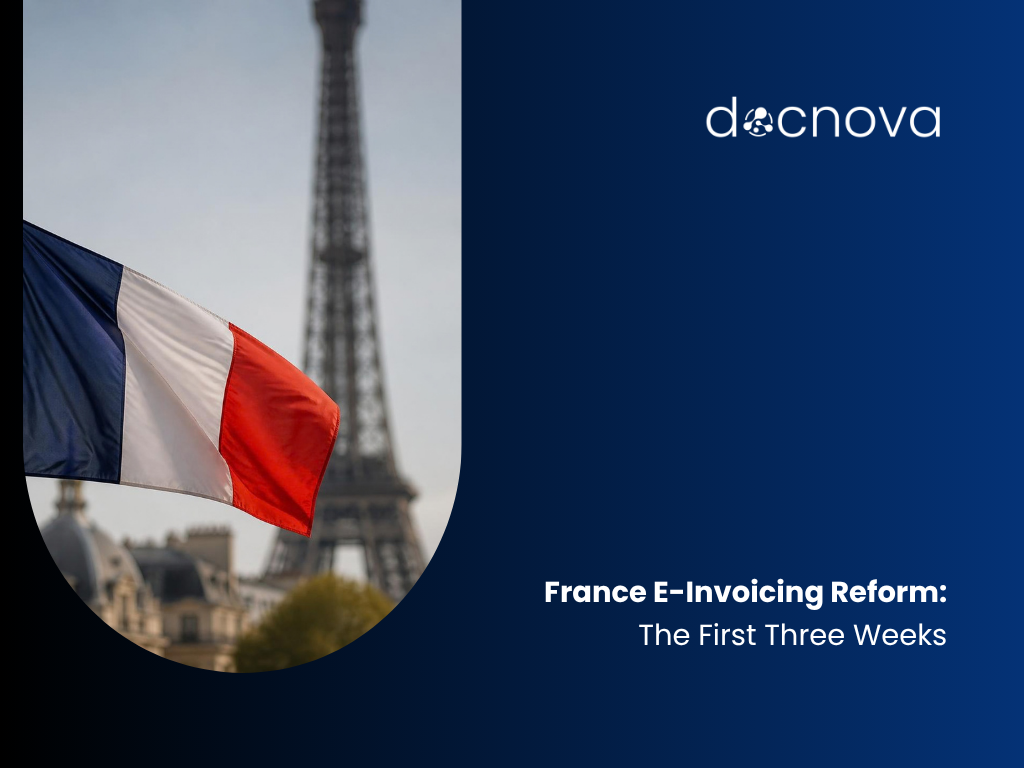
Key points from AIFE’s third launch-monitoring update on 22 September 2026 Three weeks after the launch of the electronic invoicing reform (RFE) on 1 September 2026, AIFE shared an initial data-based assessment and several operational points of attention with the Accredited Platforms (PA). The momentum is positive, but avoidable errors are still weighing on volumes.
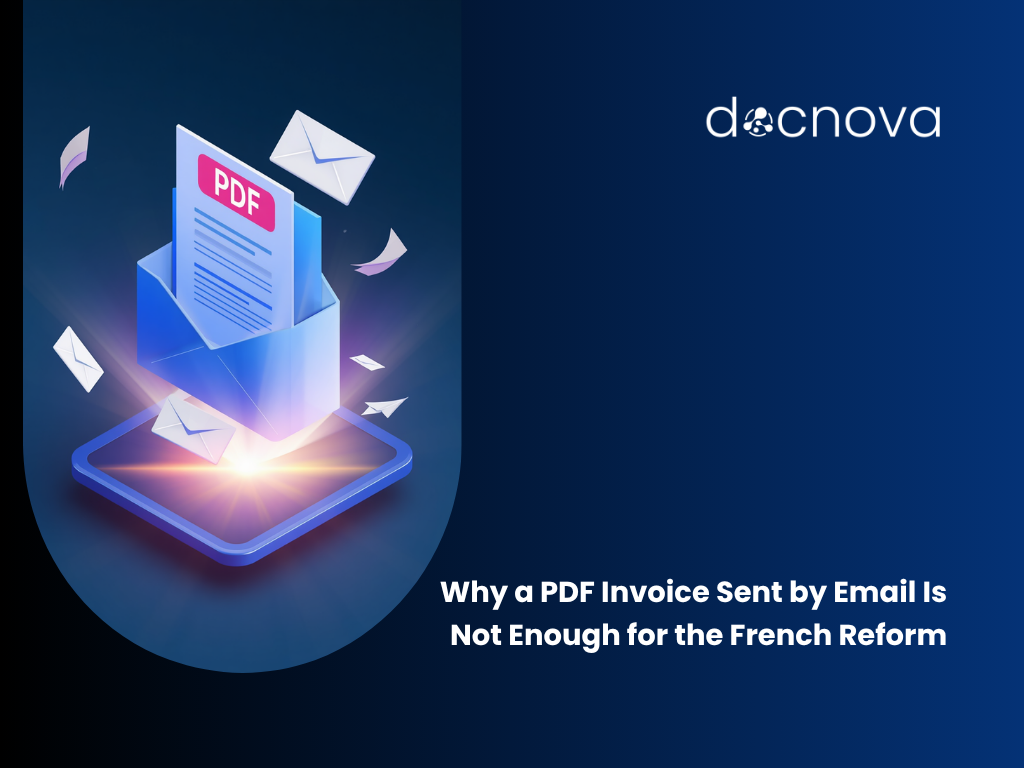
Learn why PDF invoices sent by email are not compliant with France’s e-invoicing reform and how Factur-X, UBL and CII meet the requirements.

Learn how payment reconciliation connects invoices, ERP and banking data to improve payment visibility, matching and audit trails.