


E-Invoicing for AP and AR Teams: What Really Changes in Daily Finance Operations
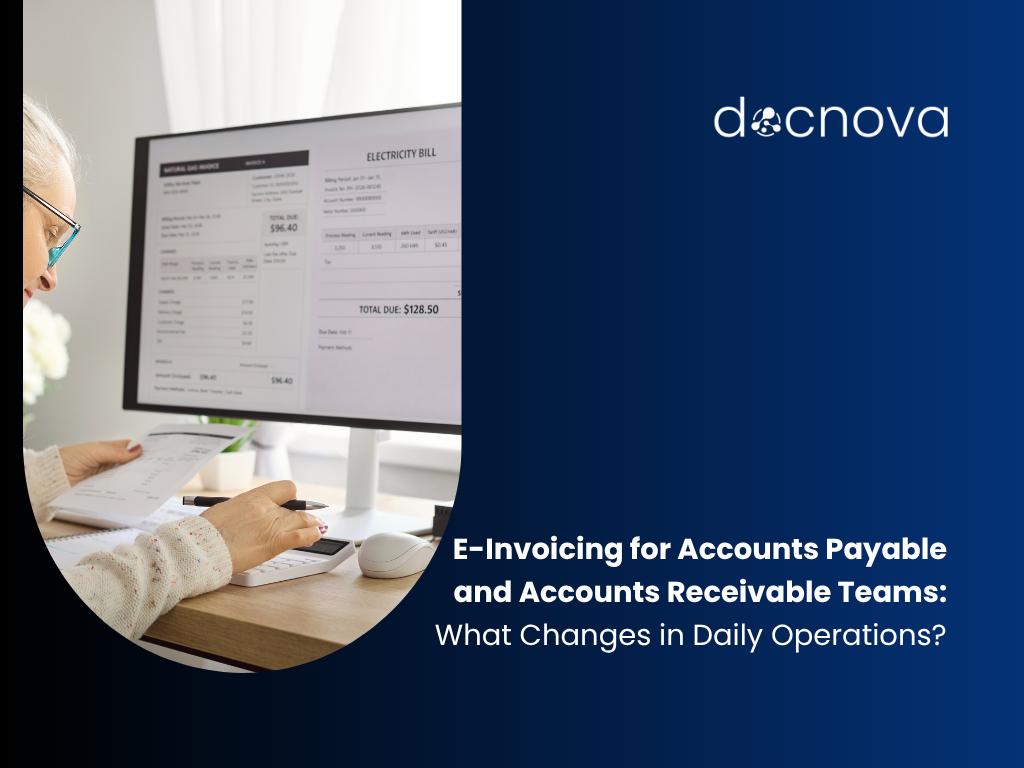
Learn how e-invoicing changes daily work for AP and AR teams, and how accounts payable automation turns compliance into faster finance operations.
Learn how e-invoicing changes daily work for AP and AR teams, and how accounts payable automation turns compliance into faster finance operations.
Key points from AIFE’s third launch-monitoring update on 22 September 2026 Three weeks after the launch of the electronic invoicing reform (RFE) on 1 September 2026, AIFE shared an initial data-based assessment and several operational points of attention with the Accredited Platforms (PA). The momentum is positive, but avoidable errors are still weighing on volumes.
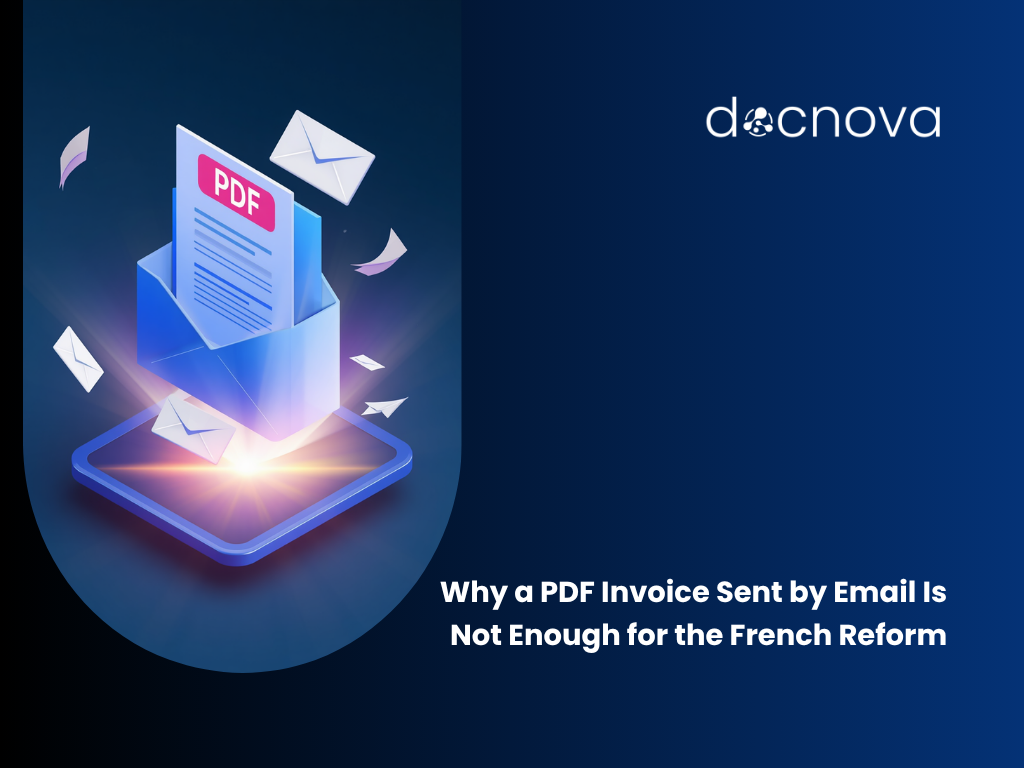
Learn why PDF invoices sent by email are not compliant with France’s e-invoicing reform and how Factur-X, UBL and CII meet the requirements.

Learn how payment reconciliation connects invoices, ERP and banking data to improve payment visibility, matching and audit trails.
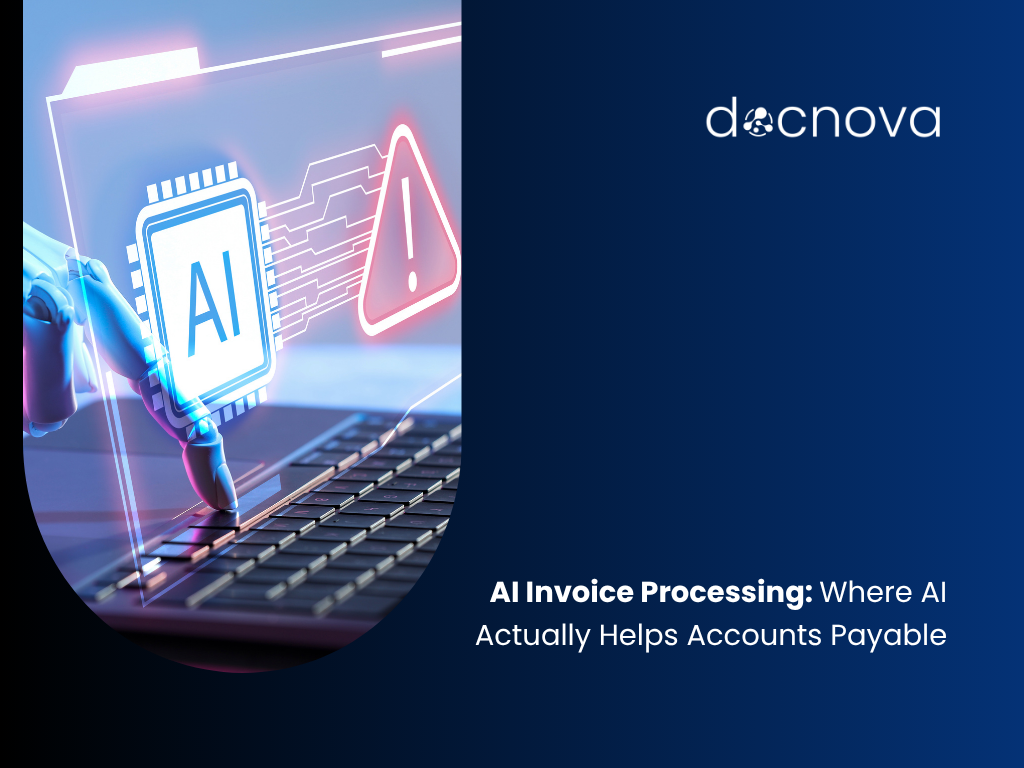
See where AI invoice processing helps Accounts Payable through smart matching, confidence gates, approval rules and human review.
Learn how AP automation detects changed IBANs, duplicate invoices and vendor risks before approval, stopping risky invoices before they move closer to payment.
Learn how Slovakia TDD reporting to Peppol Corner 5 works, including AS4 requirements, validation rules and the mandatory 15-minute reporting window.

France e-invoicing portability risks explained: PA mandate errors, directory conflicts, PROD testing, PEPPOL SML sync and Chorus Pro readiness.

Norway e-invoicing 2027 explained: deadlines, scope, EHF, Peppol, ELMA and practical ERP preparation steps for affected businesses.

Norway e-invoicing FAQs covering the 2027 mandate, EHF, Peppol, ELMA, PDFs, foreign companies, ERP readiness and Access Point requirements.